One Last Bowl

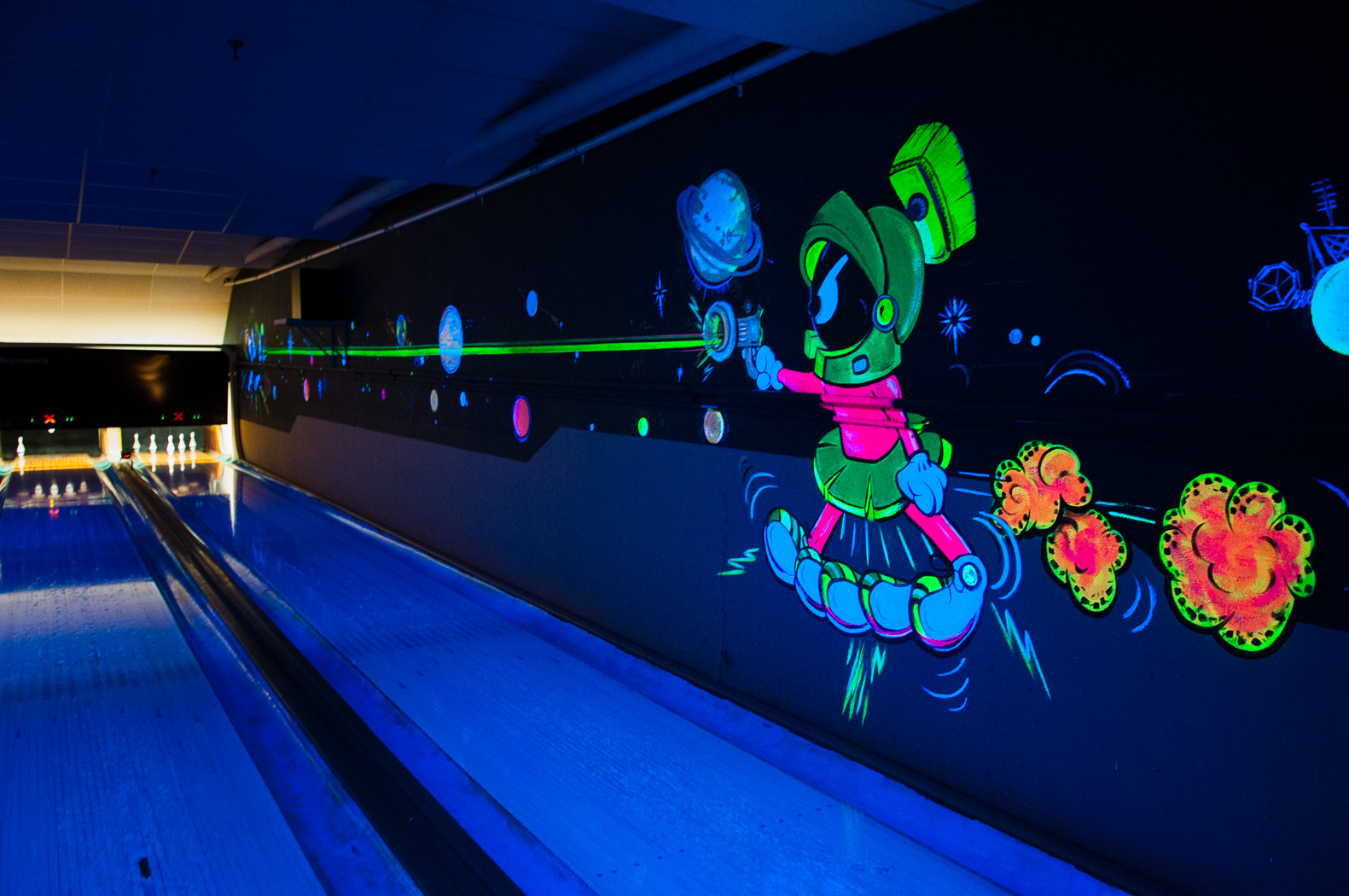
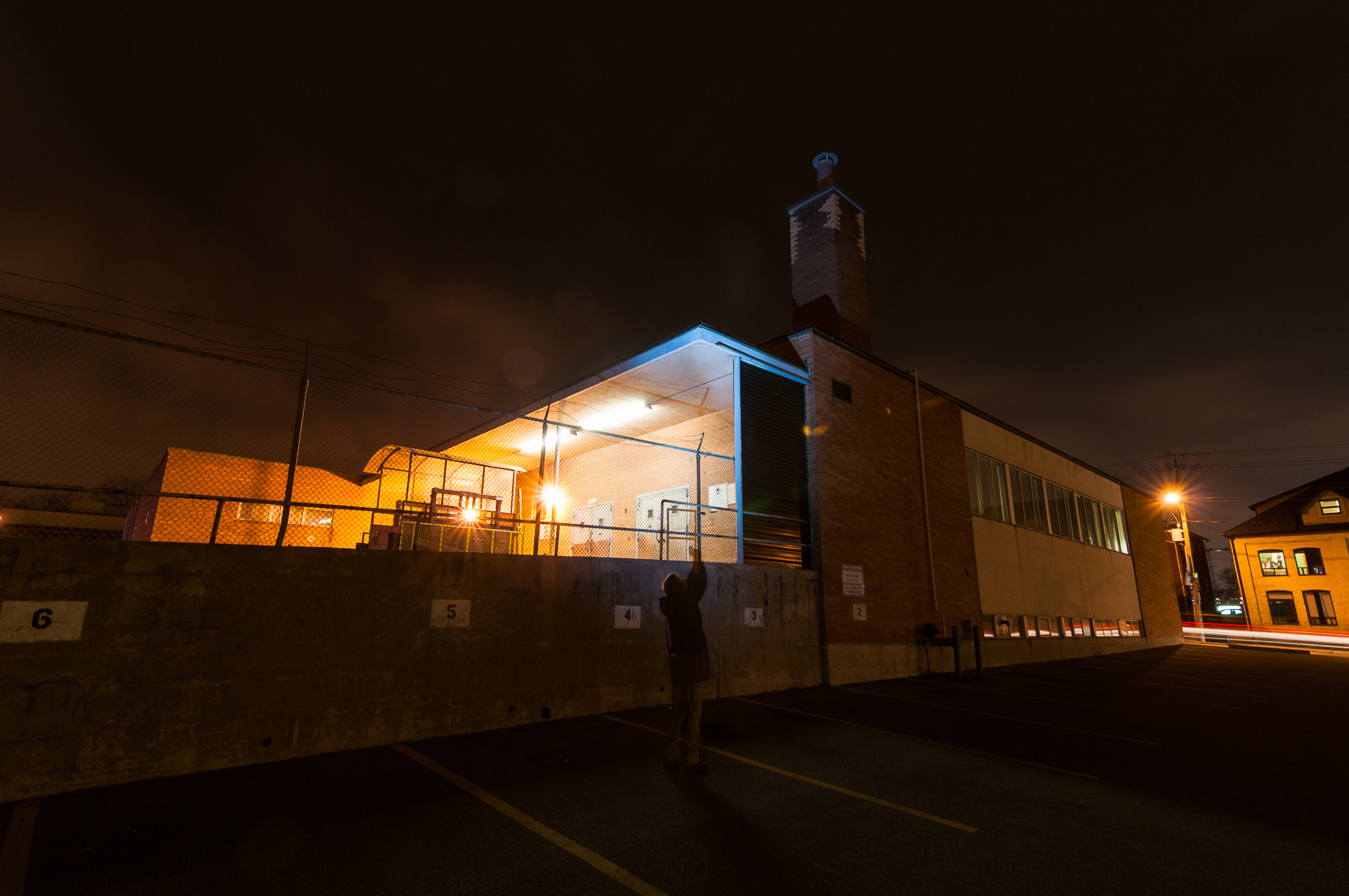
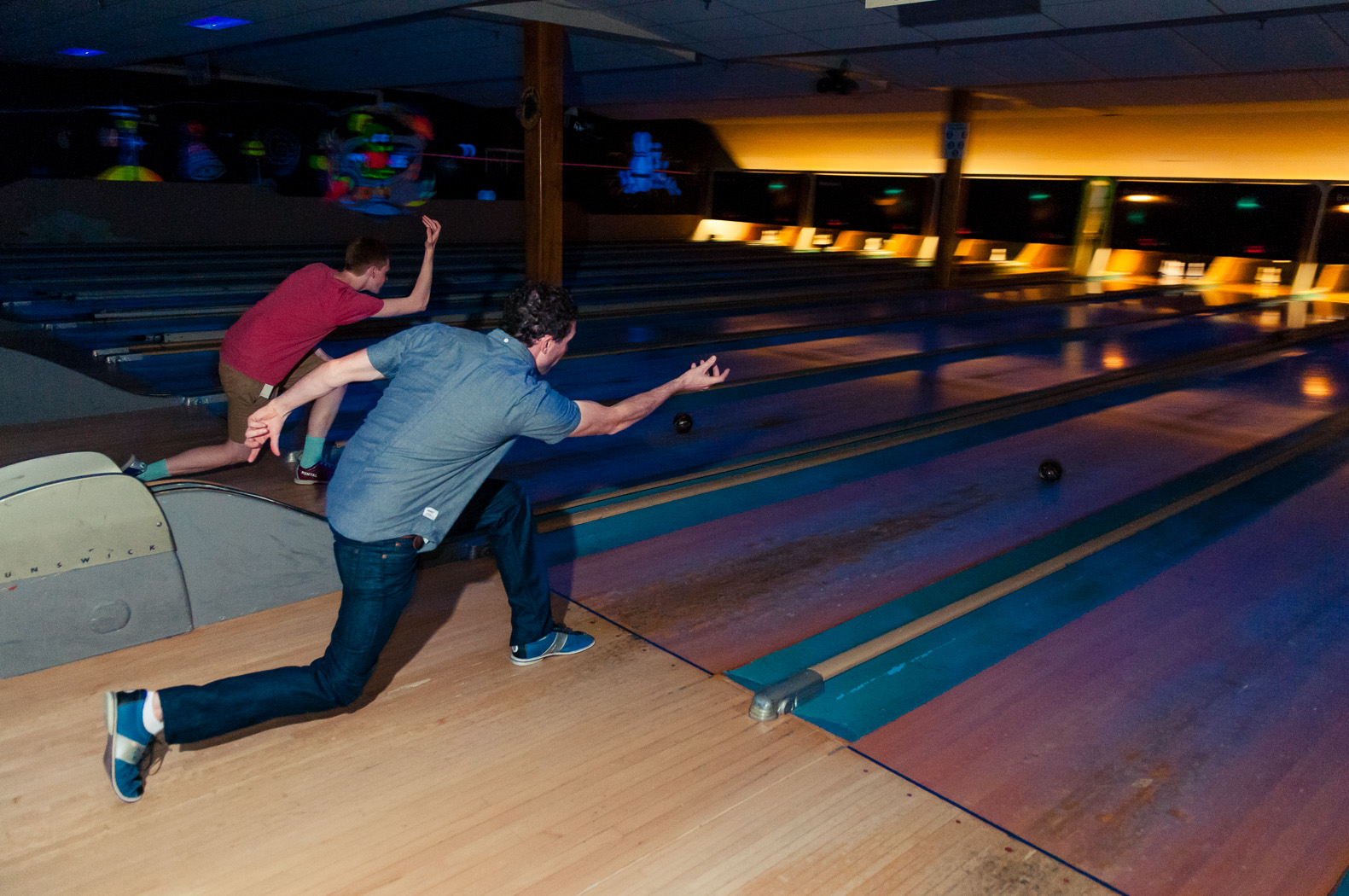
Last Saturday, Mitzy, Ian and I had one last bowl at the Waterloo Bowling Lanes before they closed for good. Naturally, I brought the camera along. These shots were with the D300s and AF-S 17-55mm f/2.8. I used the SB-900 with Lumiquest Softbox LTz for the shots with flash (with this method).

Very sad to see the place go but at least we got to say goodbye properly.

DSC_1409 DSC_1414 DSC_1396 DSC_1418 DSC_1422-Edit DSC_1411-Edit

Blog Week Day 5 – Farewell to Waterloo Bowling Lanes

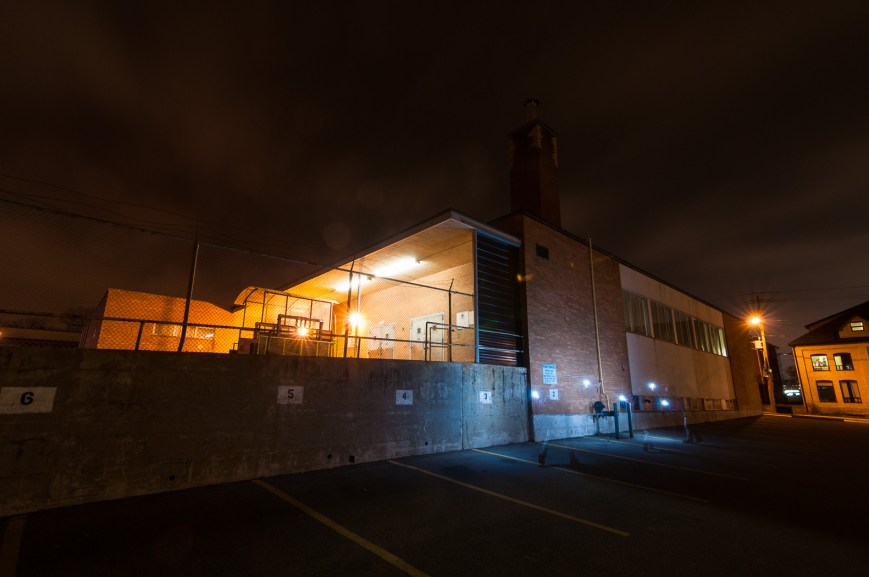
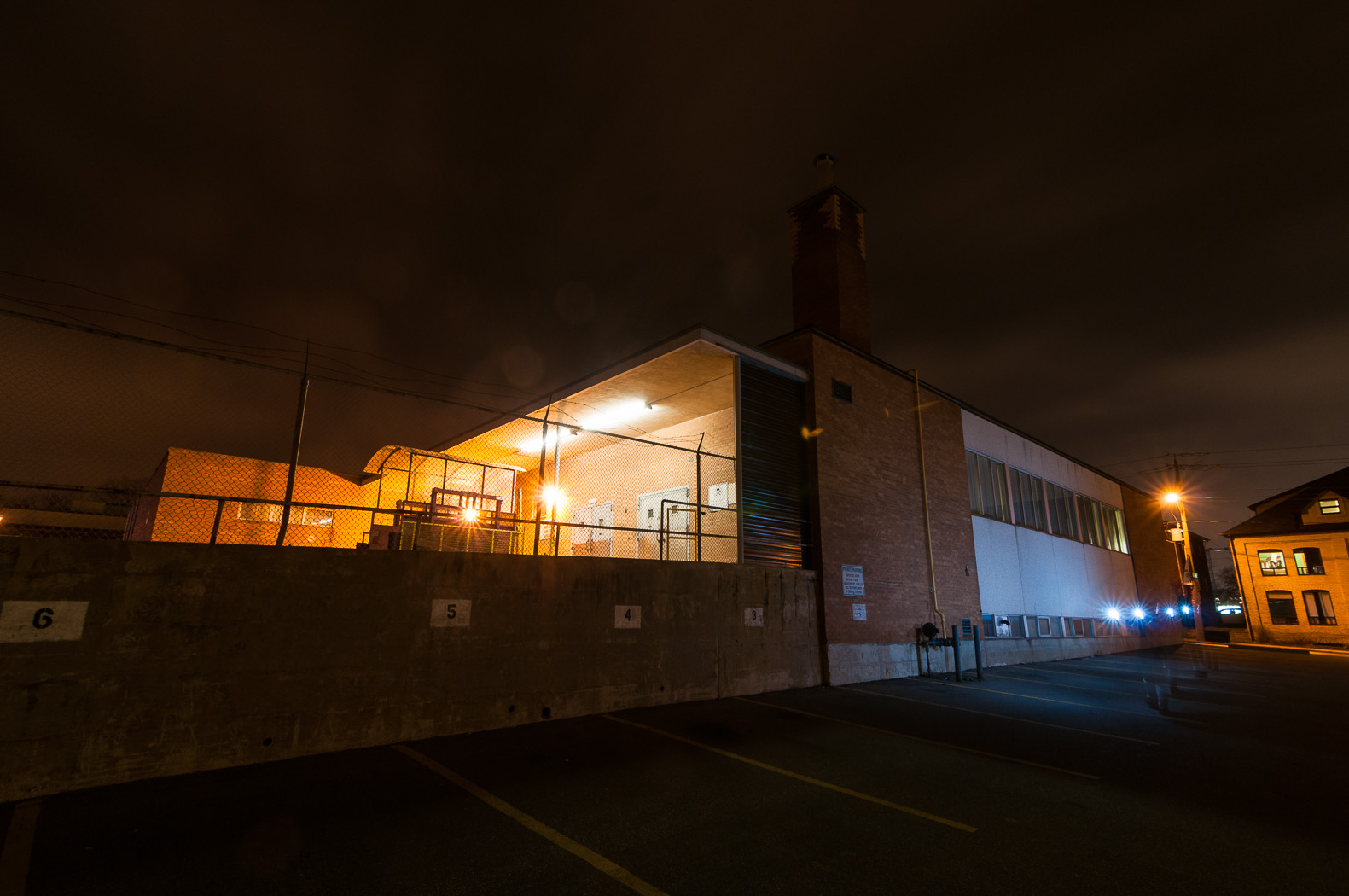
Tomorrow night Waterloo’s last bowling alley, Waterloo Bowling Lanes, will close its doors. Soon it will be demolished with a 7 story condo taking its place. I, along with many other Waterloons, are saddened by this. The lanes have been open since 1949 and will be sorely, sorely missed. There’s something special about a run down 5-pin bowling alley. Nostalgic Canadiana, maybe.

Last night, Mitzy and I made light painted composite images of the building to honour its closing. The technique is the same as the one shown here, with 5-10 shots making up each composite.

D300s with Tokina 11-16mm f/2.8 PRO DX at 11mm f/11 4s ISO 200

DSC_1183-Edit DSC_1193-Edit

ObG Thursdays and Blog Week Day 4 – Candid at the Zoo

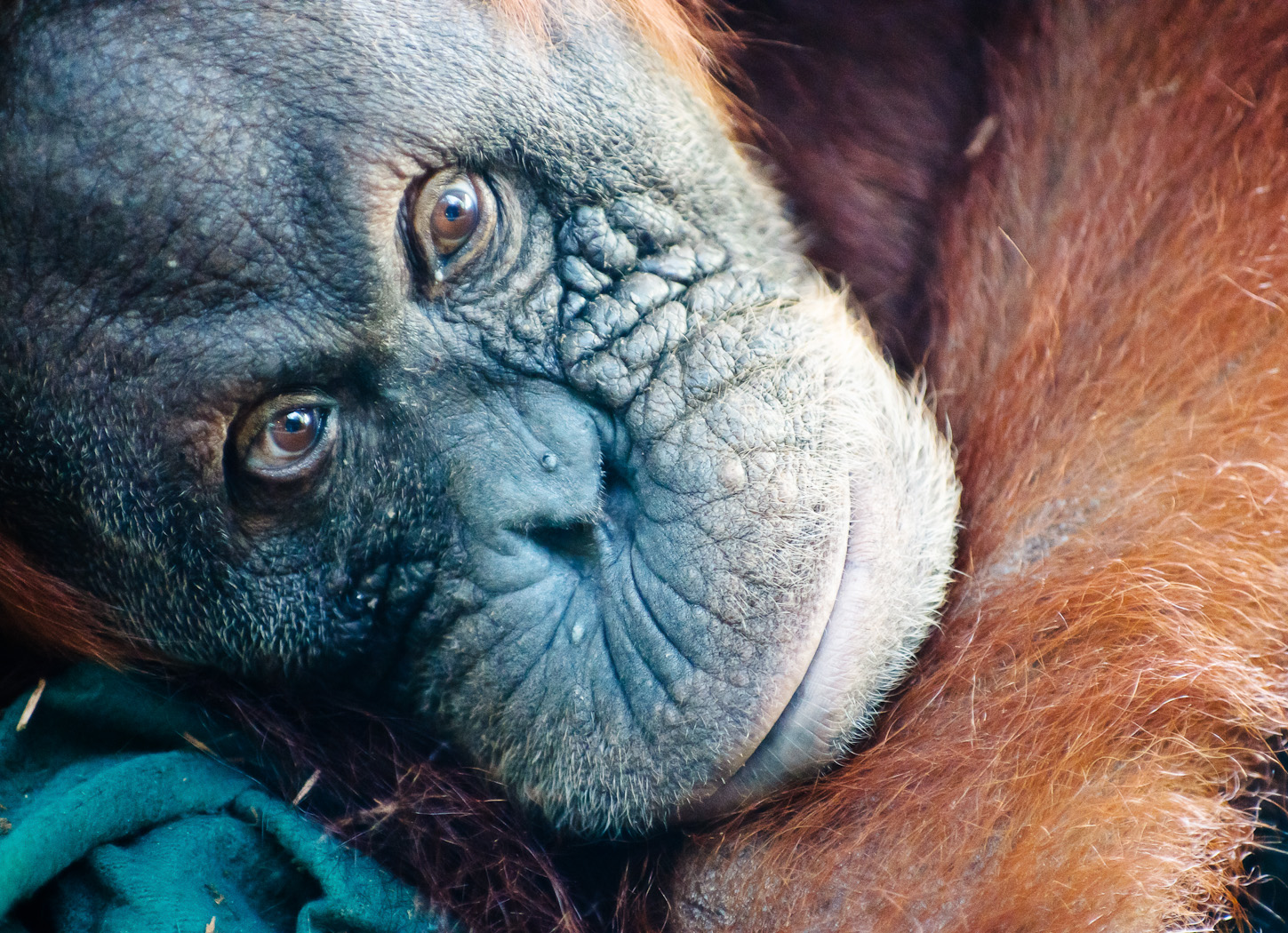
Here’s a shot of a friendly orangutan at the Toronto Zoo shot about two years ago when my cousin Simon and his girlfriend (now fiancée) Christine were visiting from Colorado. I’m pretty excited to be heading down to Denver/Boulder in a few weeks for their wedding.

This photo also won me $50 in a photo contest at work. It’s rare that I ever get a payback for my photos!

Shot with the D300s with Tokina 50-135mm f/2.8 Pro DX at 135mm f/2.8 1/40s ISO 1600 (and fingers crossed that I could hold the camera steady enough).

5796811947_94d61f3c43_o

Blog Week Day 3 – Catlantis

Day Three!

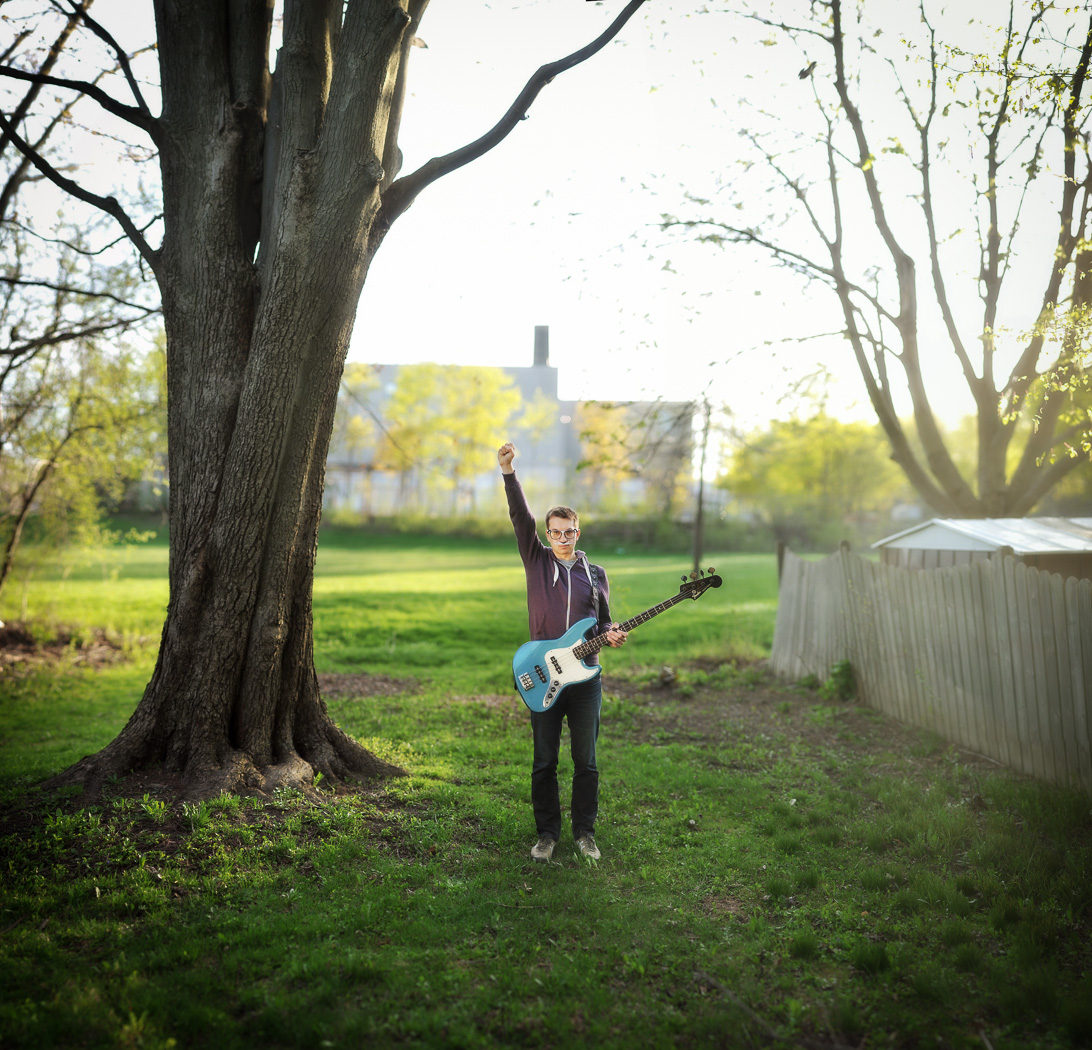
On the weekend I did a little photo shoot with Milosz for our new musical project, Catlantis. This particular photo is a bokeh panorama comprised of a full SEVENTY shots with a wide open Nikon AF-S 85mm f/1.8. My technique for making this kind of image, often known as a Brenizer Method composite, is to set the camera to small JPEG, manual focus, manual exposure and fixed white balance (not AUTO). There’s no need in having a large size JPEG as each shot will only make up a small part of the final. Manual focus, exposure and fixed white balance are important to keep the same look from shot to shot.

I use either Photoshop or Microsoft ICE to do the stitching. ICE seems to handle more complicated stitches better than Photoshop and has a very simple operation where you just drag the series of shots into it and let it run.

So here it is, my biggest Brenizer yet. Shot with the D300s with AF-S 85mm f/1.8G at f/1.8 1/500s ISO 100.

DSC_1018_stitch-Edit

Blog Week Day 2 – The Many Faces of my Favourite Spot on Three Bridges Road

For the second post of my blog-a-day week I’ll share what I consider one of the loveliest spots near Waterloo, the crossing of the Conestogo River on Three Bridges Road. Located just west of St. Jacobs and a short drive from where I work, it’s a great spot to go during lunch or at the end of the day to grab a few shots.

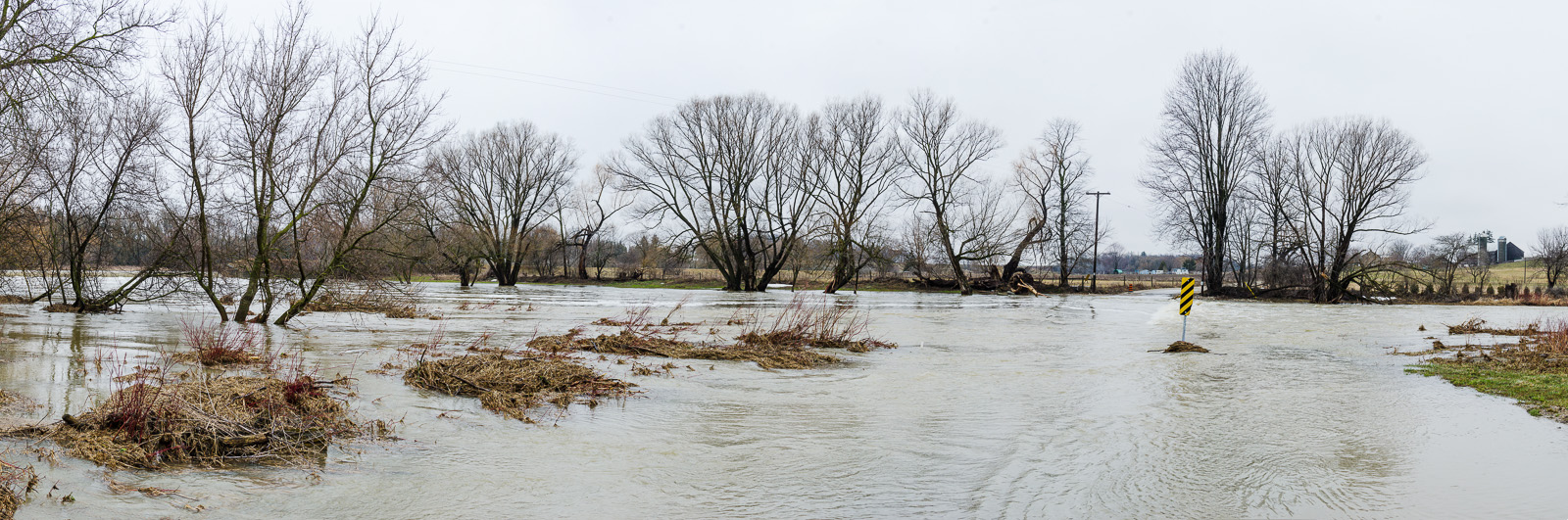
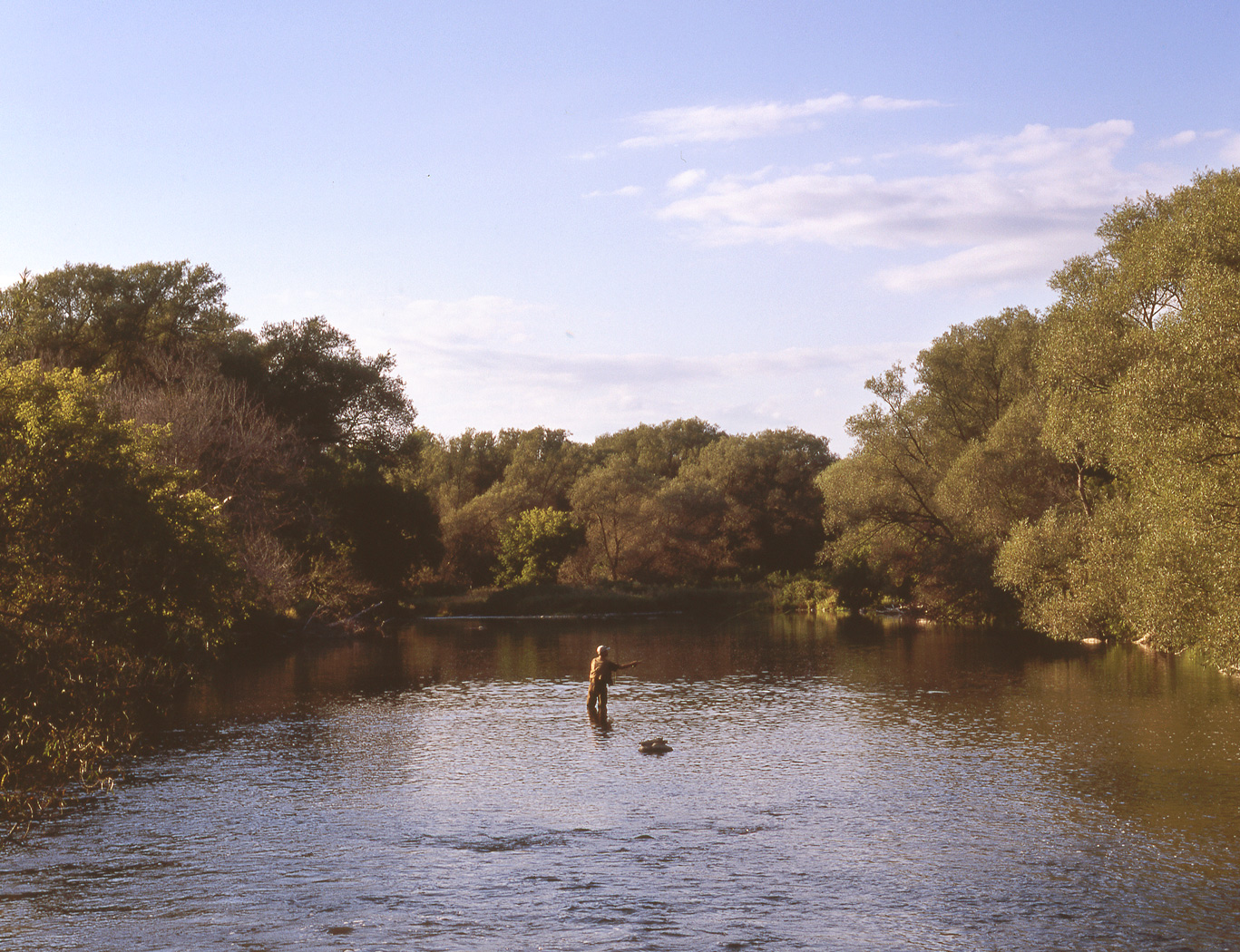
In the summer, the river is shallow and slow-moving. In the late winter and early spring with a heavy melt, it’s a torrent and the low bridge is lost completely beneath the water. Regardless of the seasonal changes, I’m still amazed at how many different types of photos I can get at the same place. It just goes to show that you don’t have to travel far to get great shots (or pretty good shots, at least).

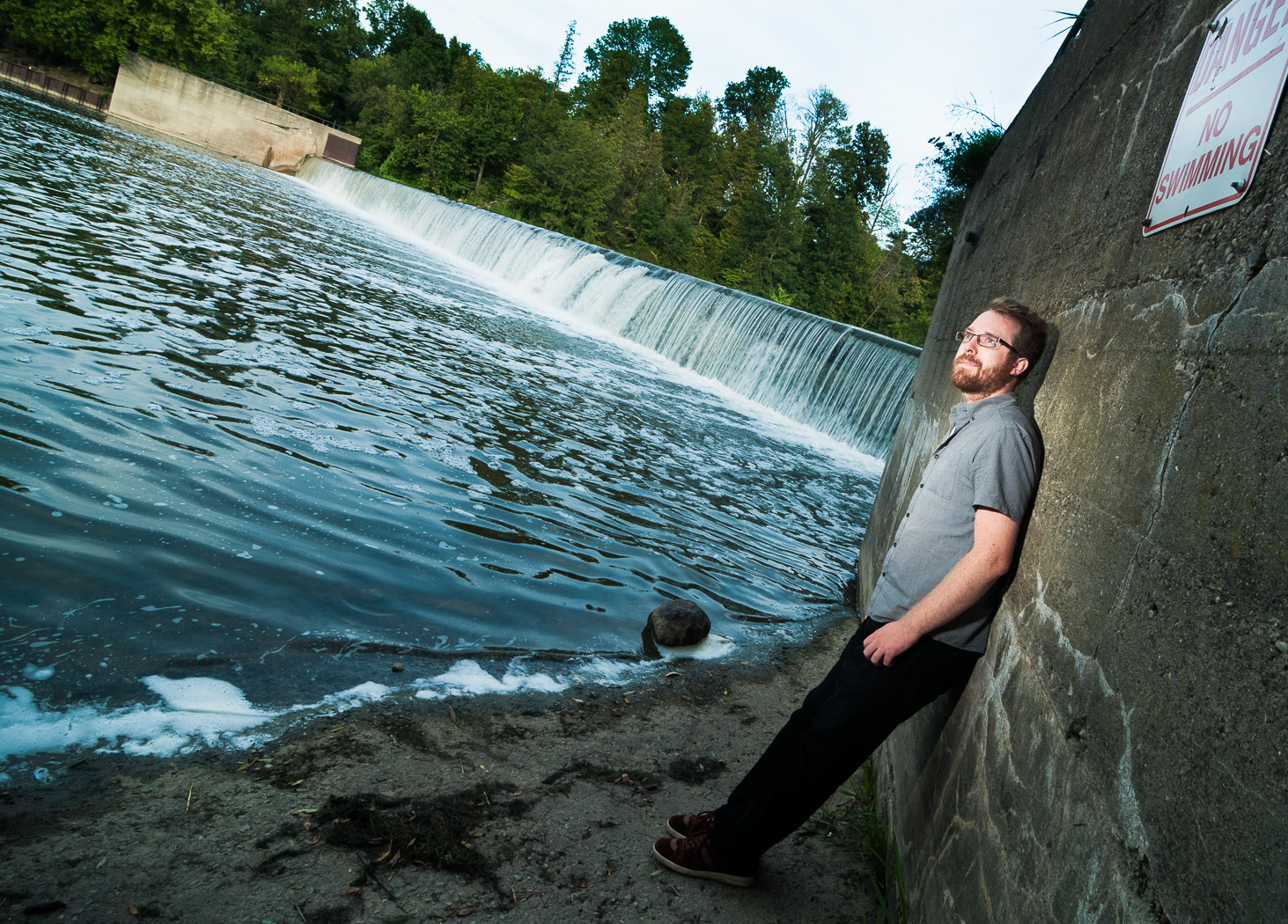
I used a wide range of equipment for these photos. The bodies (Nikon D300s, D7000 and N80, Bronica ETRS) were paired with lenses (Nikon 17-55 f/2.8, Nikon 35 f/1.8, Nikon 60 f/2.8G Micro, Nikon 85 f/1.8G, Tokina 11-16 f/2.8, Tokina 50-135 f/2.8, Sigma 50 f/1.4, Bronica MC 40 f/4, Bronica EII 75/2.8). On the self portraits I used Nikon SB-700 and SB-900 strobes with CLS control.

I’ll give a prize to the person who gets the most correct gear-to-photo matches!

img075 DSC_8725-Edit DSC_4102-Edit DSC_2765 DSC_4897 DSC_3356-Edit img148 DSC_4933 img041 DSC_0168-Edit img138 DSC_4771-Edit DSC_2308-Edit

Blog Week Day 1 – View from Rattlesnake Point

Tonight is the first night of my (possibly ill-fated) plan to post every night for a week. I’m starting the week off with an HDR composite from the top of Rattlesnake Point near Milton, ON. This shot is made up of 5 images, each separated by 1 EV of exposure. HDR processing was done in Photoshop CS5.

Since I tend to pack on the light side when walking I rarely have access to a tripod, something that is normally helpful for HDR photography. My trick is to set the camera to shoot at its highest frame rate (7fps on the D300s, or something around 3fps in 14-bit mode) and hold it as steady as possible. That way I minimize movement between frames.

Another trick I use is to program the lower function button to control exposure bracketing, as the D300s doesn’t have a dedicated bracket button. With the button pressed I can control the number of frames (2-9) with the rear dial and the exposure steps (0.3-1 EV) with the front.

Here’s the final shot with the D300s and Tokina 11-16mm f/2.8 at 11mm f/8 ISO 100.

DSC_0860-Edit

ObG Thursdays – I Spy a Spider

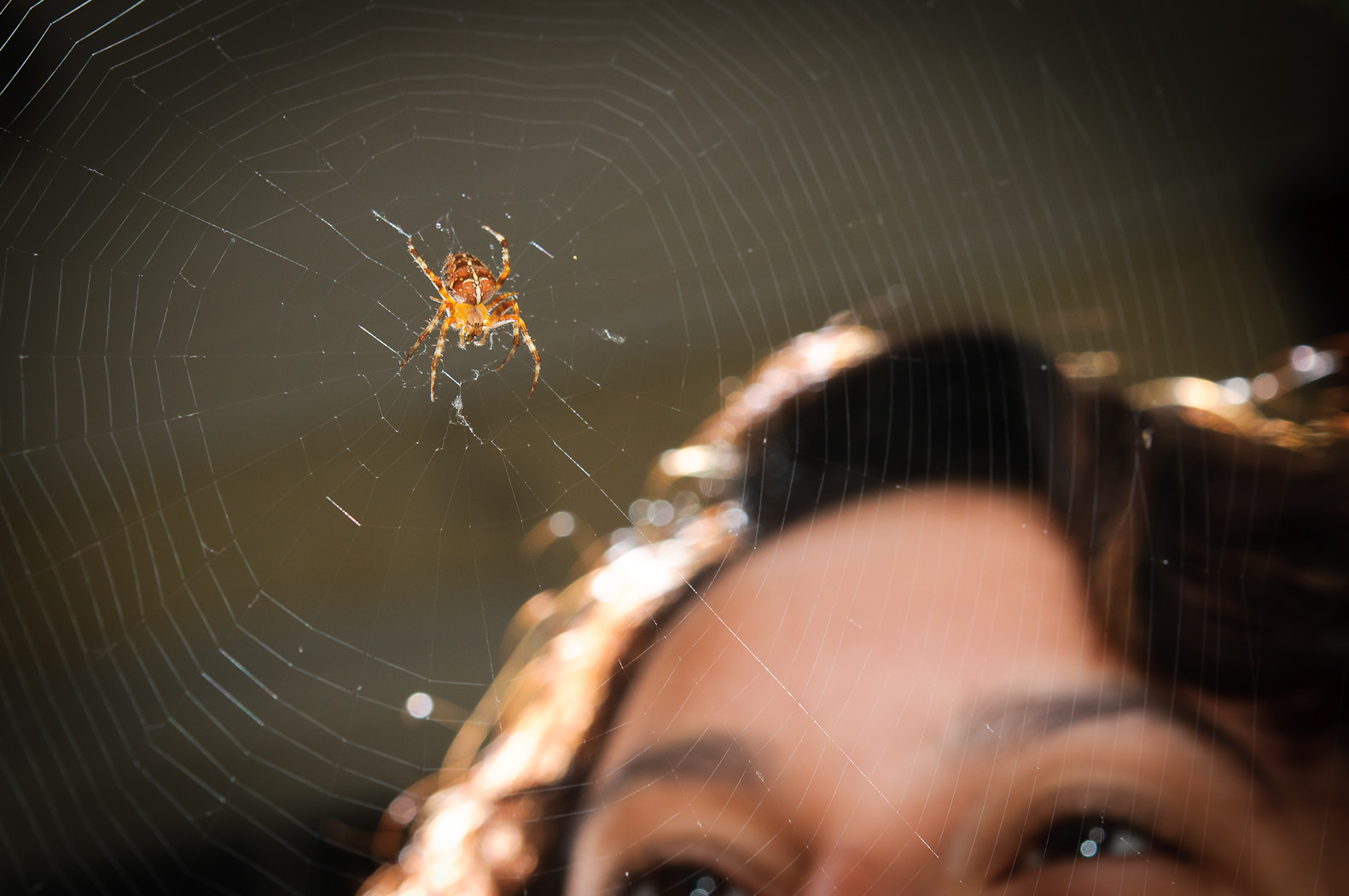
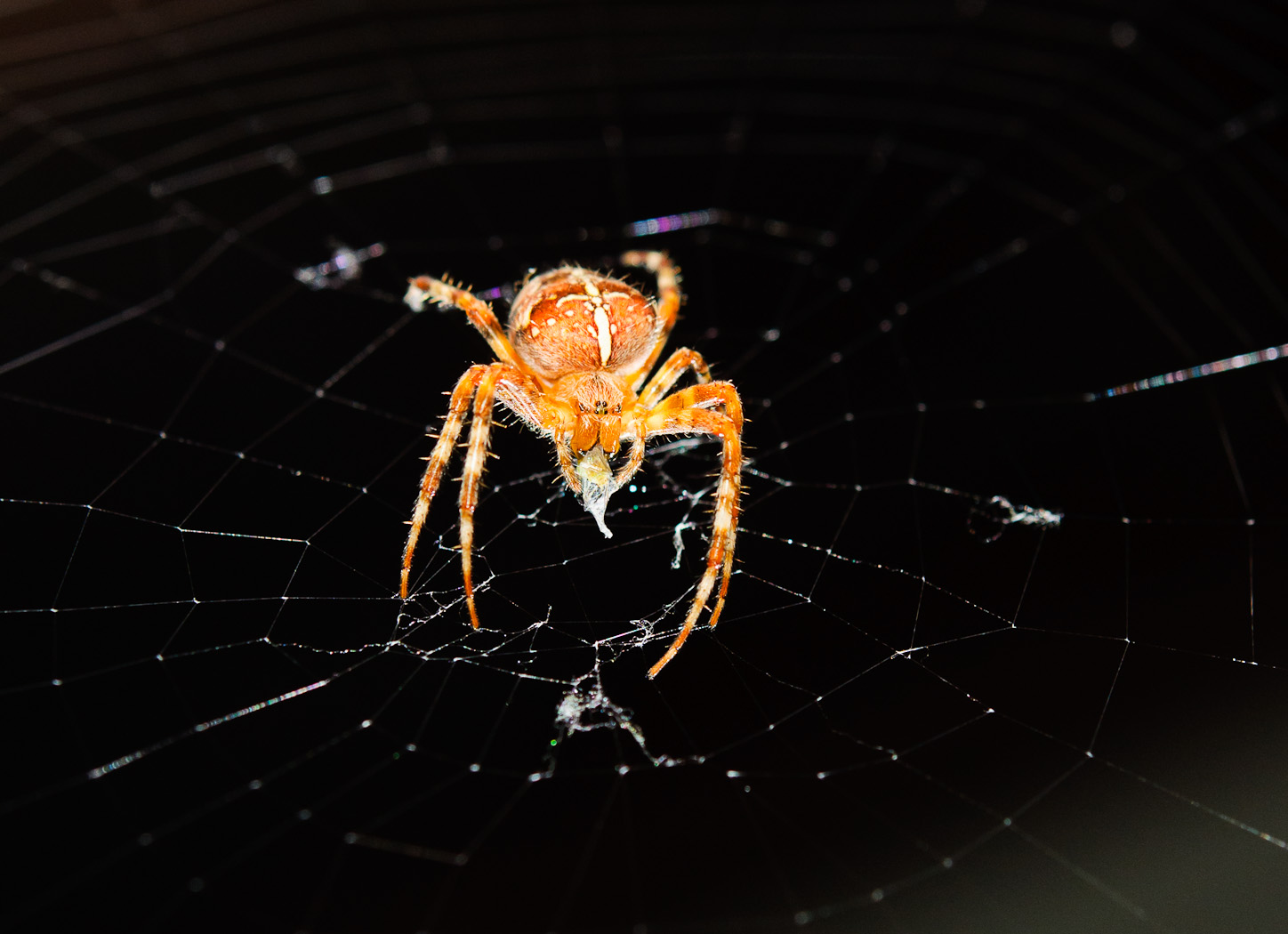
This week’s oldie-but-goodie comes from the front porch where last summer a spider took residence. I got creative with the lighting here, using a full three strobes. I controlled the strobes with Nikon’s CLS (Creative Lighting System) using the built-in flash as the controller.

The main light was a Nikon SB-900 with 1/4 CTO gel (the one that is supplied with the flash) and a Nikon SB-700 and Metz 48 AF-1 were both used as rim lights, un-gelled. I programmed the CLS settings in the camera as follows:

  • Overall exposure compensation was 0 EV
  • Main light was dialed down to -0.7 EV (on Group A) and had a 1/4 CTO gel
  • Rim lighting was increased to +0.7 EV (both on Group B)

Happily I also had a Mitzy to stand behind the web!

The photo was taken with the D300s with AF-S 60mm f/2.8 G Micro at f/8 1/100s ISO 400.

DSC_7857

And here’s a bonus close up.

DSC_7834-2

A Flooded Field – Two Golden Hour HDRs

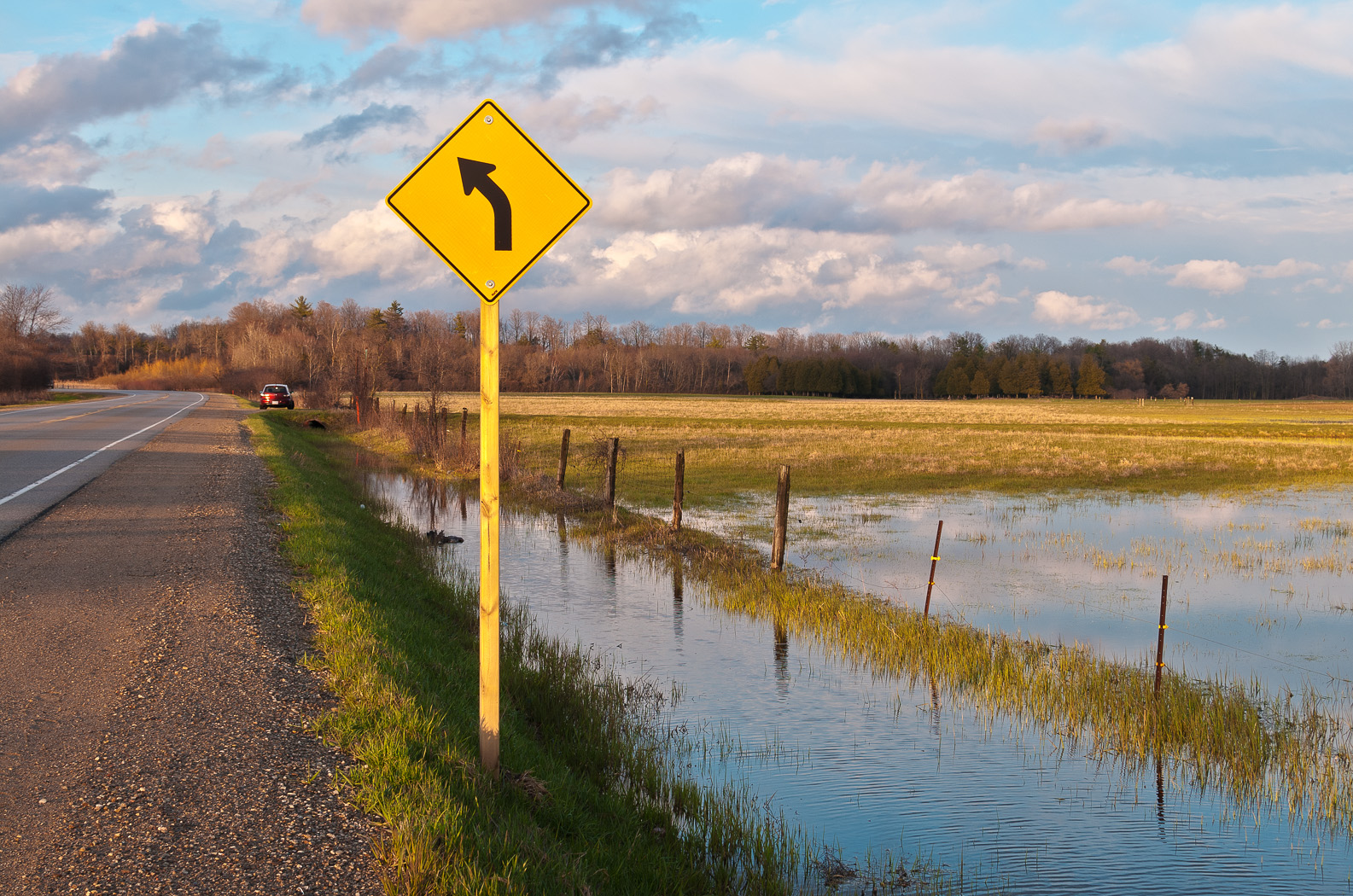
Driving to Guelph last week I came across this flooded field with just the right clouds and just the right lighting. Each shot is a high dynamic range (HDR) composite of three images separated with a stop of exposure difference between each. Yes, that’s my Mazda 3 parked up ahead in the first image.

I should also mention that I was on my way to a formal dress-up cocktail party, so I was in a full suit and dress shoes. I’m sure the passing cars must have had a laugh…

D300s with AF-S 35mm f/1.8 DX at f/8 ISO 200.

DSC_0783-Edit-2 DSC_0786-Edit

ObG Thursdays – Old Post Office Light Painting Composite

Lighting a large scene with just one flash is something I’d wanted to try for a while and finally got around to it with this shot in today’s Oldie-but-Goodie.

This photo is a composite of six shots, stitched together in Photoshop CS5. In each, I lit a different part of the building using a single SB-900 flash with the standard diffuser cap. I fired the flash using the test button and in most of the shots I fired it multiple times. The camera (Nikon D300s wtih Tokina 11-16mm) was set to manual exposure (f/8 8s ISO 100) and manual focus and set on a tripod in the parking lot. The long exposure allowed the camera to capture the ambient light but also gave me the time for the flash fires.

Here are the shots that went into the composite. In the first four I lit both the concrete and brick walls.

DSC_9339 DSC_9340 DSC_9341 DSC_9342 In the next two I tried to light the smoke stack by zooming the flash in to 200mm. The flash lost a lot of power at that distance and even with multiple fires it was difficult to light the stack.

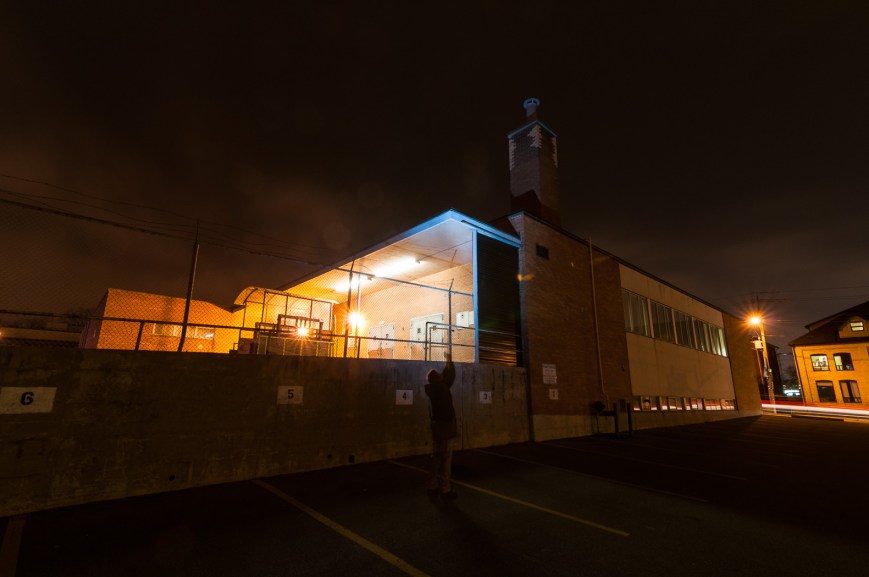
DSC_9345 DSC_9346At this point the images look like a mess with many points of light and many Owens. However, by choosing which part of each image I wanted to come through using layer masks I could clean this up considerably. Below I show a capture from Photoshop with each of the images and their corresponding layer mask. Notice that for the most part only a small area (the white region of the layer mask) is used in the composite.
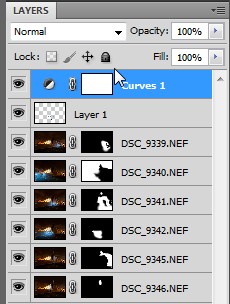
ScreenHunter_16 Apr. 11 07.19In the end I did have to remove a few stray flash bursts and Owen limbs here and there using the healing brush and clone tools. Finally, with a curves adjustment to brighten the lower mid-tones, I ended up with this!

DSC_9339-EditAs this was my first ‘light painted’ composite, I did learn a few lessons. Most importantly, it was difficult in a few instances to remove my ghost from the image. Next time around I would use brighter flashes and stand further away from the subject to not catch as much of the reflection. Distance would also help broaden the spot as it falls on the surface. Overall though, I was happy with this first attempt!
ObG Thursdays – Lincoln Memorial

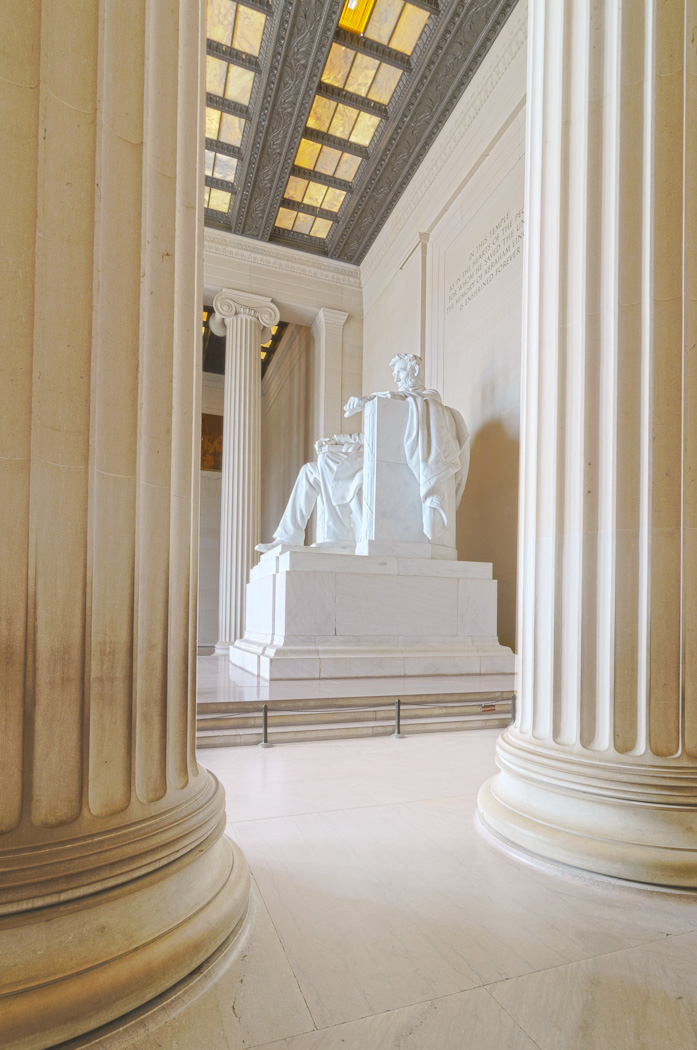
This week’s Oldie-but-Goodie comes from a trip Mitzy and I took to Washington DC last summer. On a blazing hot day, we took refuge in the Lincoln Memorial where I took this photo with the D300s and Tokina 11-16mm f/2.8.

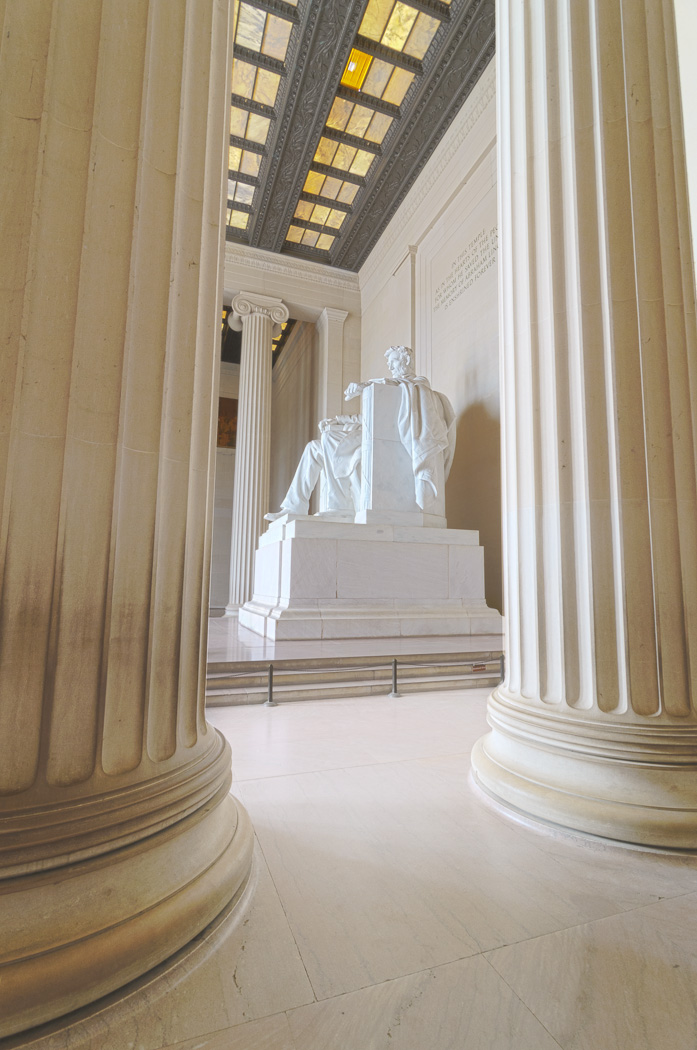
Lincoln MemorialI used a few photographic tricks to make this image. First was my choice of perspective. I used the Tokina 11-16mm at 11mm to capture the vast interior. The room was also full of people but Mitzy pointed out this excellent vantage point that was completely tourist free! Compare above to the image below. It’s hard to believe that they were taken just a few minutes apart:

DSC_3716To capture the full tonal range of the space I used an HDR technique. I took five images, each separated by 1EV and combined the -2, 0 and +2EV into an HDR image in Photoshop’s HDR Pro tool. Here are the three images that fully encompass the darkest and brightest tones.

DSC_3728 DSC_3730 DSC_3732

The combined image looked like this:

DSC_3728-Edit-2Once the HDR was created I tweaked the brightness/contrast and fixed the vertical perspective in Lightroom.

ScreenHunter_16 Mar. 20 21.09And that’s it! A unique perspective of a familiar landmark, captured with full tonal range.